Compare Local Contractors for Drywall Patching Services
Compare local contractors for drywall patching by defining your scope, verifying experience, and setting clear expectations to ensure a successful project.
Drywall patching services typically involve repairing holes, cracks, or damaged sections of interior walls and ceilings. This work may include removing compromised drywall, applying joint compound, sanding, and finishing to restore a smooth surface. Whether addressing minor dents or larger repairs caused by impacts or water damage, these services aim to improve the appearance and integrity of interior spaces. Understanding the scope of drywall patching helps property owners determine what specific repairs are needed and ensures that the work will meet the desired outcome.
Defining the scope of drywall patching projects is essential for setting clear expectations and avoiding misunderstandings. It involves outlining the extent of damage, the areas to be repaired, and the level of finish required. A well-defined scope can facilitate better communication with service providers, ensuring they understand the work involved and can provide appropriate recommendations. Property owners should consider discussing details such as the size of patches, preparation work, and finishing standards to ensure the completed repair aligns with their needs.
When comparing local contractors for drywall patching, property owners should evaluate their experience with similar projects and verify their familiarity with the type of repair needed. It’s helpful to review the contractor’s portfolio or request references to gauge the quality of previous work. Additionally, obtaining written descriptions of the scope of work and what each contractor proposes can make it easier to compare service offerings objectively. Focusing on how well each contractor understands the project requirements and their ability to deliver a clear, detailed plan can lead to more informed decisions when selecting a service provider.
Compare local contractors by outlining project priorities, verifying experience, and establishing clear scope and expectations in writing.
- Compare Contractor Credentials - Review the experience and reputation of local contractors to ensure quality drywall patching.
- Define Project Scope Clearly - Outline specific repair needs to help contractors provide accurate assessments and services.
- Verify Experience and Expertise - Confirm that service providers have relevant experience with drywall patching projects.
- Set Expectations in Writing - Document the scope, materials, and responsibilities to prevent misunderstandings.
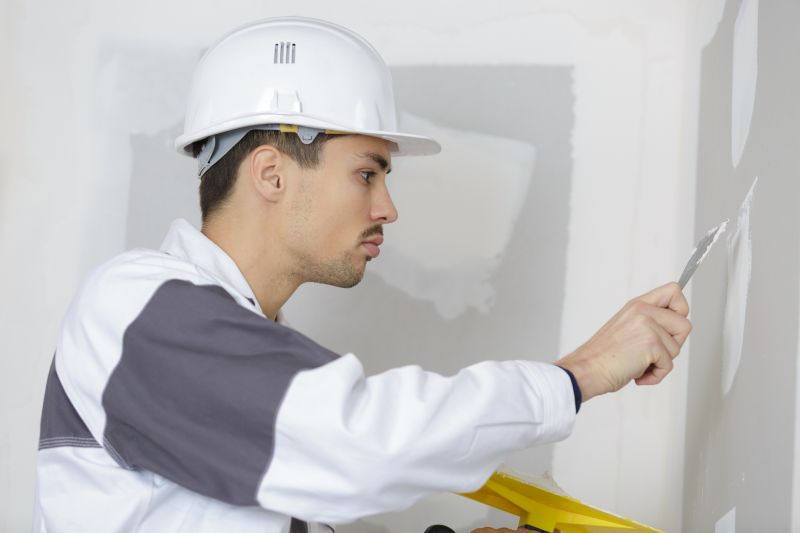
Clearly describe your drywall patching project to effectively compare local contractors, verify experience, and set clear expectations.
- Assess experience and expertise of local contractors in drywall patching to ensure quality work. - Verify that service providers understand the scope of drywall repair and patching requirements.
- Compare multiple local contractors to evaluate their approaches and methods for drywall patching projects. - Look for clear communication about the process and what to expect during repair work.
- Request detailed written descriptions of the scope of work and materials to be used for drywall patching. - Ensure all project details are documented and agreed upon before work begins.
- Check references or reviews to gauge the reliability and skill level of local drywall patching specialists. - Focus on feedback related to the quality and durability of previous patching jobs.
- Discuss the approach to surface preparation, drywall finishing, and painting to understand the contractor’s process. - Clarify how the repair will blend with existing wall surfaces for a seamless appearance.
- Confirm that the scope of work, expectations, and deliverables are clearly outlined in writing before hiring a contractor. - This helps prevent misunderstandings and sets a clear foundation for the project.
Compare local contractors, clarify project scope, verify experience, and set clear expectations in writing.

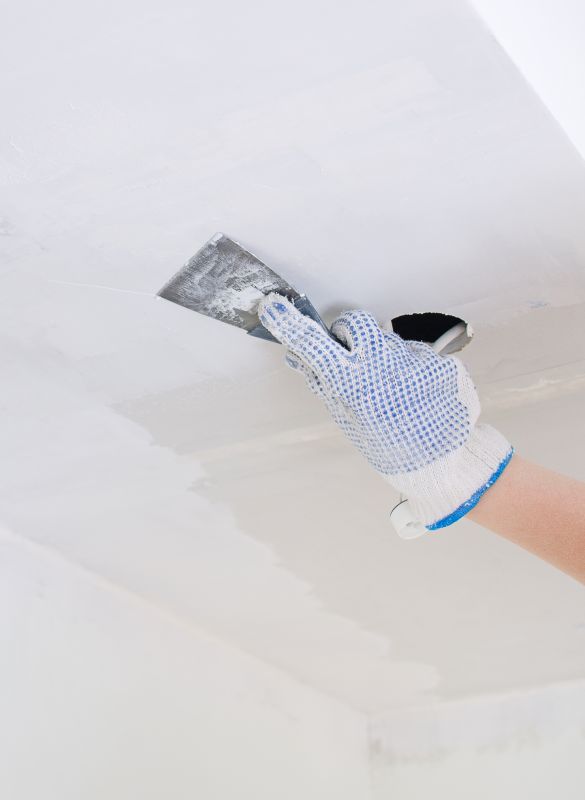
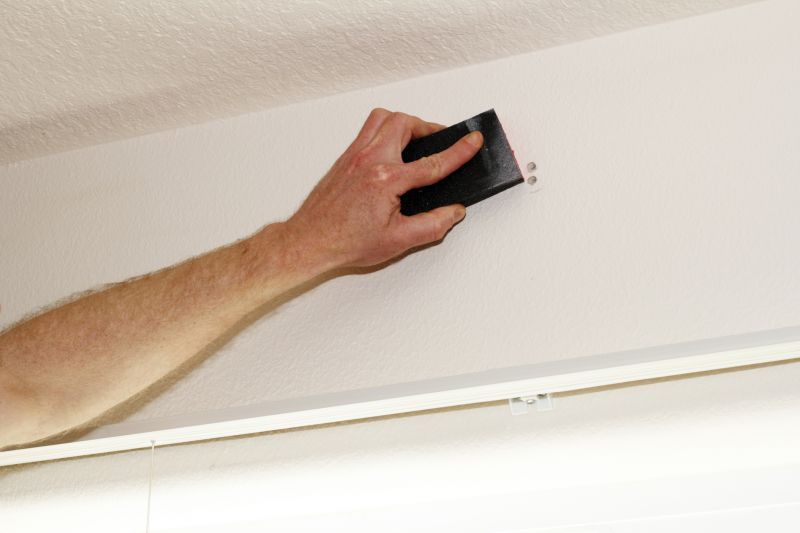
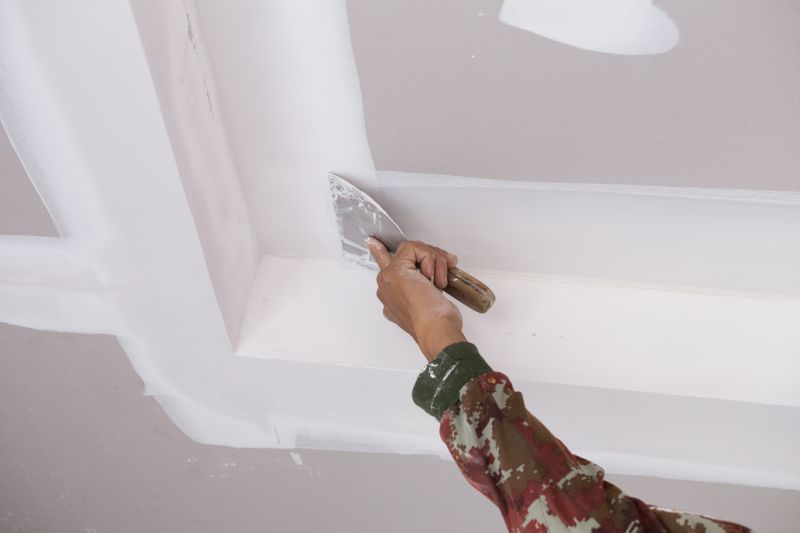
Learn how to compare drywall patching contractors, define project scope, verify experience, and set clear expectations in writing.
- Scope Definition - Clearly outline the extent of drywall patching required, including the size and location of the damaged areas.
- Material Specifications - Specify the type and quality of materials preferred for patching to ensure consistency with existing drywall.
- Experience Verification - Confirm that service providers have relevant experience with drywall patching projects of similar scope.
- Work Expectations - Establish detailed expectations for preparation, repair techniques, and finishing to ensure quality results.
- Written Agreement - Ensure all project details, scope, and responsibilities are documented in a written agreement before work begins.
When comparing contractors for drywall patching, it’s important to evaluate their experience with similar projects. Homeowners should inquire about the types of drywall repairs they have successfully completed, paying attention to projects that resemble the scope and complexity of the work needed. A contractor with a history of handling repairs comparable in size and detail can provide insight into their familiarity with the techniques and materials that produce seamless results. This background can help ensure that the chosen service provider understands the nuances of patching drywall in different settings, whether it’s a small hole or a larger repair.
Having a clear, written scope of work is essential when assessing drywall patching services. Homeowners should seek detailed descriptions of what the contractor intends to do, including preparation, materials, and finishing techniques. A well-defined scope helps prevent misunderstandings and sets expectations for the project’s outcome. When reviewing proposals or estimates, it’s beneficial to compare how thoroughly each contractor describes their approach and the specific tasks they will perform, ensuring that all aspects of the repair are addressed and that there is alignment on the work to be completed.
Verification of a contractor’s basic credentials involves confirming their experience and reputation through references or previous project examples. Homeowners can ask for contact information for past clients or look for reviews that highlight the contractor’s ability to deliver quality drywall repairs. Verifying that a service provider has successfully completed projects similar to the current need can help gauge their reliability and skill level. It’s also useful to ask about the types of materials and techniques they typically use, which can influence the durability and appearance of the finished patch.
When evaluating options for drywall patching, homeowners should focus on the contractor’s communication and professionalism. Comparing how each service provider articulates their process, responds to questions, and provides written documentation can offer insight into their approach and reliability. It’s important to ensure that expectations are clearly documented, including the scope of work, materials, and any warranties or guarantees offered. By carefully reviewing these elements, homeowners can make informed decisions based on the contractor’s experience, clarity, and professionalism, rather than price alone.
Ask contractors to provide written scope of work to ensure clear expectations and consistent project details.
- **Experience and Expertise** - What level of experience do the local contractors have with drywall patching projects similar to yours?
- **Scope of Work** - How do the contractors define and clarify the specific scope of drywall patching services included in their proposal?
- **Materials and Techniques** - What materials and patching techniques do the service providers typically use to ensure quality results?
- **Project Expectations** - How do local contractors communicate project expectations and deliverables in writing to avoid misunderstandings?
- **Comparison Criteria** - What criteria should be used to compare different drywall patching service providers beyond pricing and availability?
How can I compare drywall patching contractors effectively? Comparing local contractors involves reviewing their experience, checking references, and verifying their scope of work to ensure they meet the specific needs of the drywall patching project.
What should I consider when defining the scope of drywall patching? Clearly outlining the size, location, and extent of the damage helps contractors understand the work required and provides a basis for accurate project expectations.
How do I verify a drywall patching contractor’s experience? You can ask for examples of past work, request references from previous clients, and check how long the contractor has been performing drywall repair services in the area.
Why is it important to get the scope of work in writing? Having a detailed written scope ensures both parties agree on the project details, helps prevent misunderstandings, and provides a reference for the completed work.
What questions should I ask a drywall patching contractor before hiring? Inquire about their experience with similar projects, request details about their process, and ask how they handle unexpected issues that may arise during repair work.
How can I ensure the contractor understands my drywall patching needs? Communicate your project details clearly, ask for a written scope of work, and confirm that the contractor’s proposed approach aligns with your expectations before proceeding.
Homeowners seeking drywall patching services can benefit from understanding how to compare local contractors effectively. Learning to define the scope of work clearly, verify the experience of service providers, and set expectations in writing helps ensure the project aligns with specific needs. Taking these steps enables a more informed decision-making process when choosing among available options.
Using the quote form to explore local service providers offers a straightforward way to compare contractors for drywall patching. It provides a convenient method to gather information and connect with experienced professionals in the area, making it easier to find the right fit for the project.